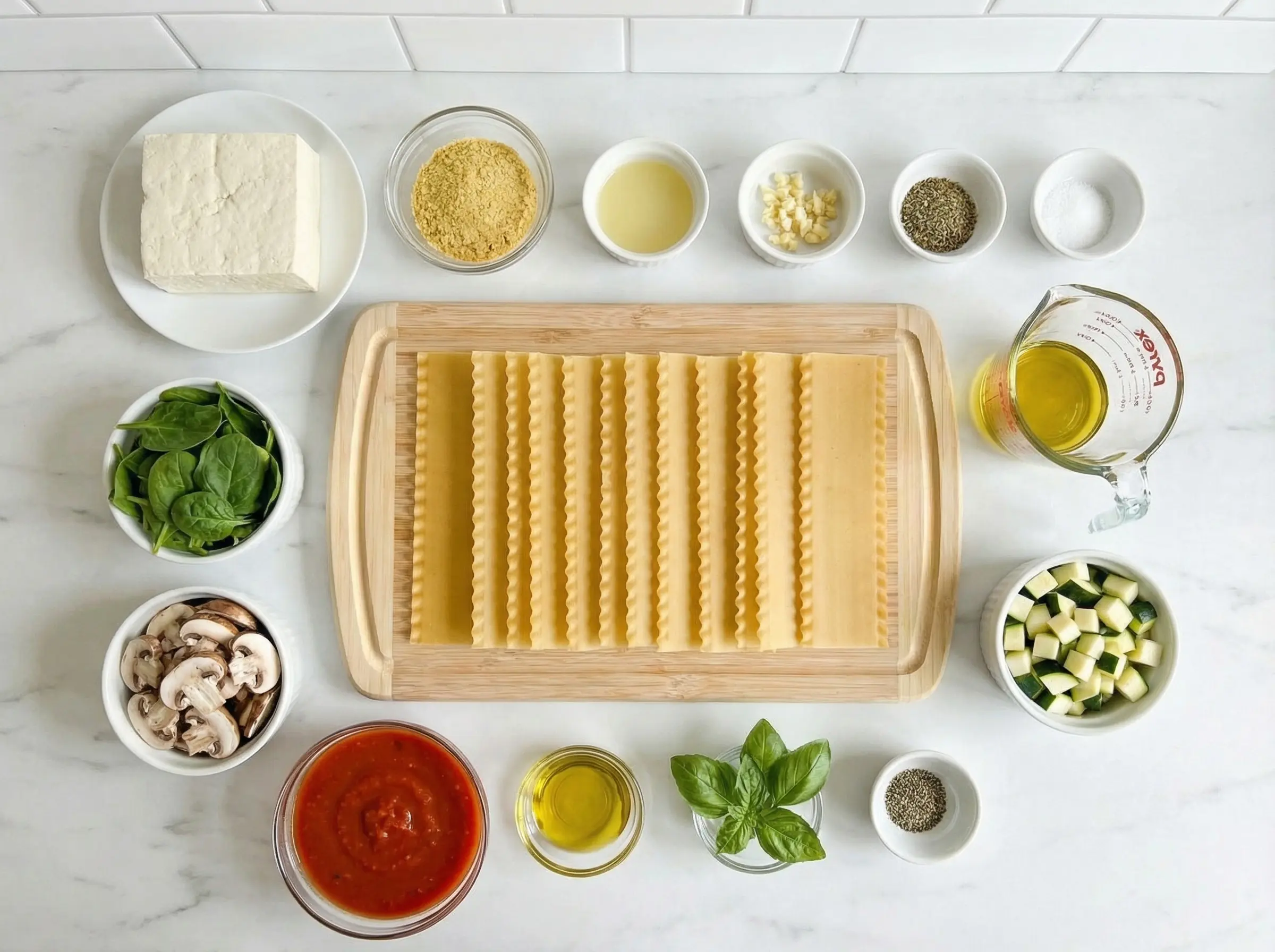
1Start by making the tofu ricotta. Drain the firm tofu and press it gently to remove excess moisture by wrapping it in paper towels or a clean kitchen towel and placing something heavy on top for about 10 minutes. Once pressed, crumble the tofu into a food processor. Add the nutritional yeast, lemon juice, minced garlic, Italian seasoning, salt, and a few grinds of black pepper. Pulse the mixture several times, then blend until it reaches a creamy, slightly grainy texture similar to traditional ricotta cheese. The mixture should be spreadable but not completely smooth - you want some texture remaining. Taste and adjust seasoning as needed, adding more salt, lemon juice, or nutritional yeast to achieve a rich, tangy, cheese-like flavor. Set aside in a bowl.
2Prepare the vegetable filling by heating olive oil in a large skillet over medium-high heat. Add the sliced mushrooms and cook for 5-6 minutes until they release their moisture and begin to brown, stirring occasionally. The mushrooms should reduce in size and develop a golden color. Add the diced zucchini and cook for another 3-4 minutes until slightly softened but still holding their shape. Finally, add the fresh spinach and cook for 2-3 minutes, stirring frequently, until the spinach wilts completely and any excess liquid evaporates. The vegetables should be tender but not mushy. Remove from heat and stir in 1 cup of the marinara sauce, mixing until all the vegetables are well coated. Season with salt and pepper to taste. This vegetable mixture adds nutrition, moisture, and layers of flavor to your lasagna.
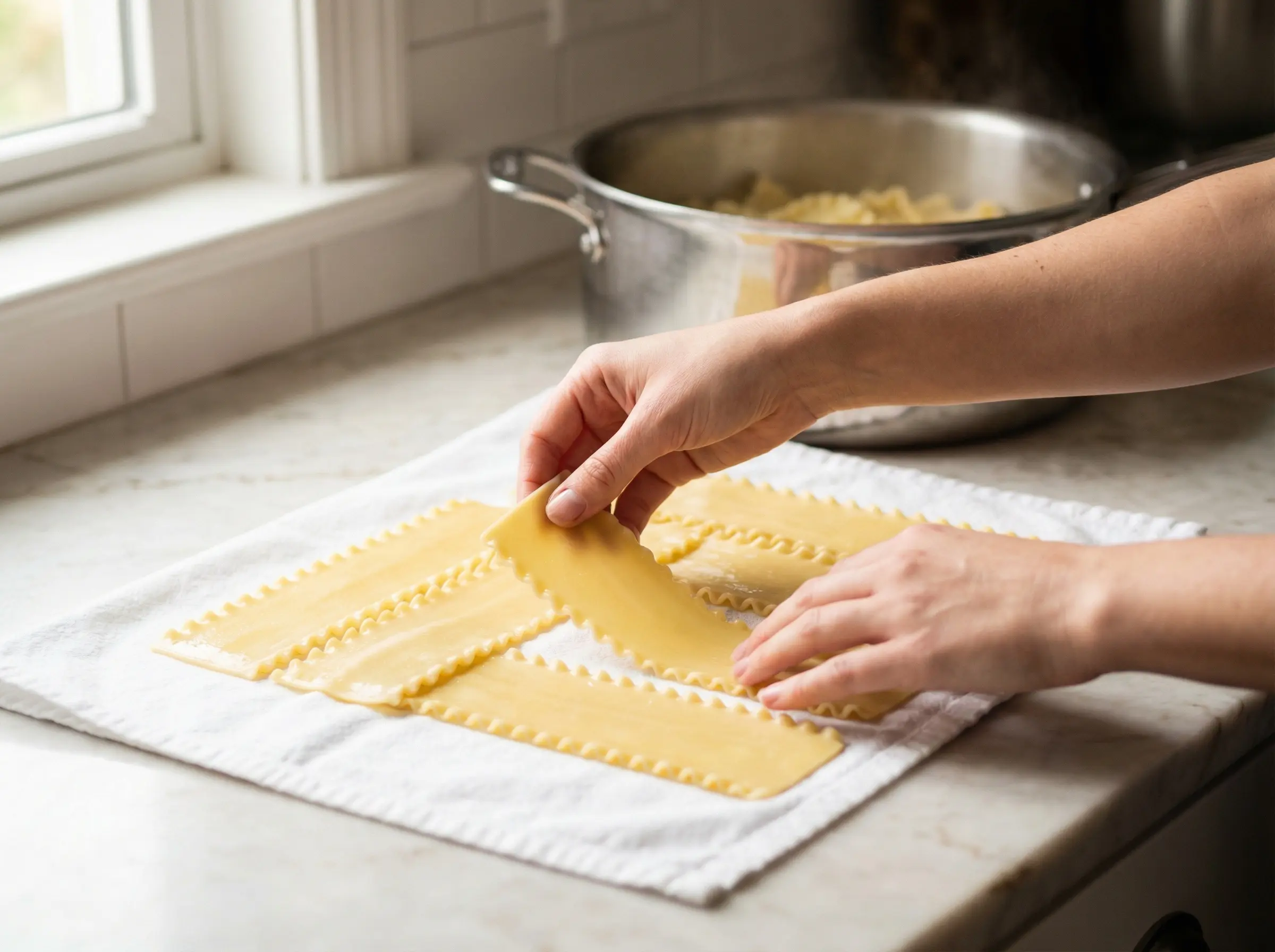
3Cook the lasagna noodles according to package directions until al dente, usually 8-10 minutes in boiling salted water. Drain and rinse with cold water to stop the cooking process and prevent sticking. Lay the noodles flat on a clean kitchen towel or parchment paper to prevent them from sticking together while you assemble the lasagna. Preheat your oven to 375°F (190°C). Now you are ready to build your lasagna.
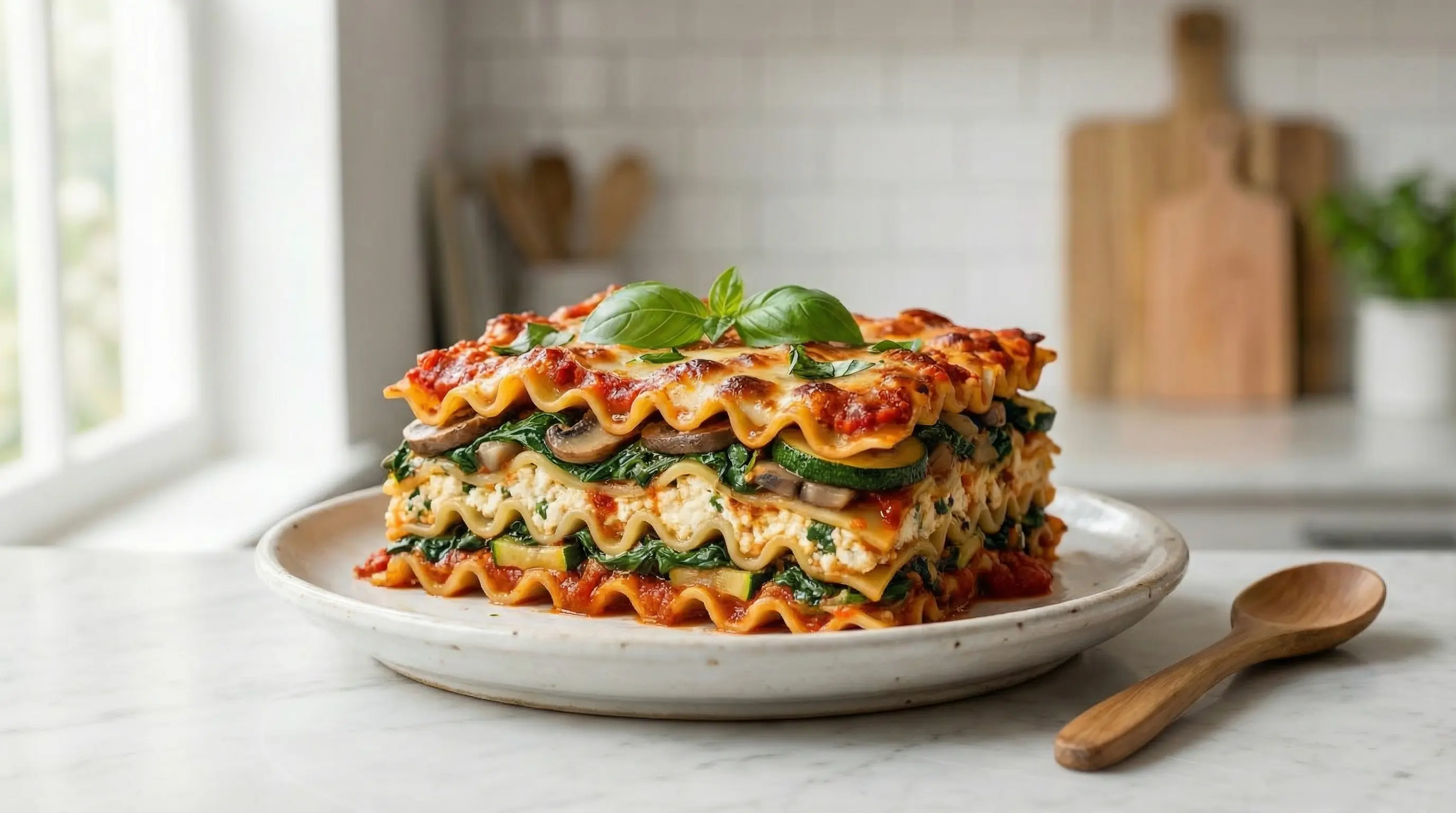
4Begin layering your lasagna in a 9x13 inch baking dish. Start by spreading about 1 cup of marinara sauce evenly across the bottom of the dish - this prevents the noodles from sticking and adds moisture. Place 4 lasagna noodles over the sauce, slightly overlapping them to cover the bottom completely. Spread half of the tofu ricotta mixture over the noodles, using a spatula to distribute it evenly. Top with half of the vegetable mixture, spreading it out evenly. Drizzle about 3/4 cup of marinara sauce over the vegetables. Repeat this layering process one more time: 4 noodles, remaining tofu ricotta, remaining vegetables, and more marinara sauce. Finish with a final layer of 4 noodles topped with the remaining marinara sauce, ensuring the top noodles are completely covered to prevent them from drying out during baking. The dish should be full and generously sauced.
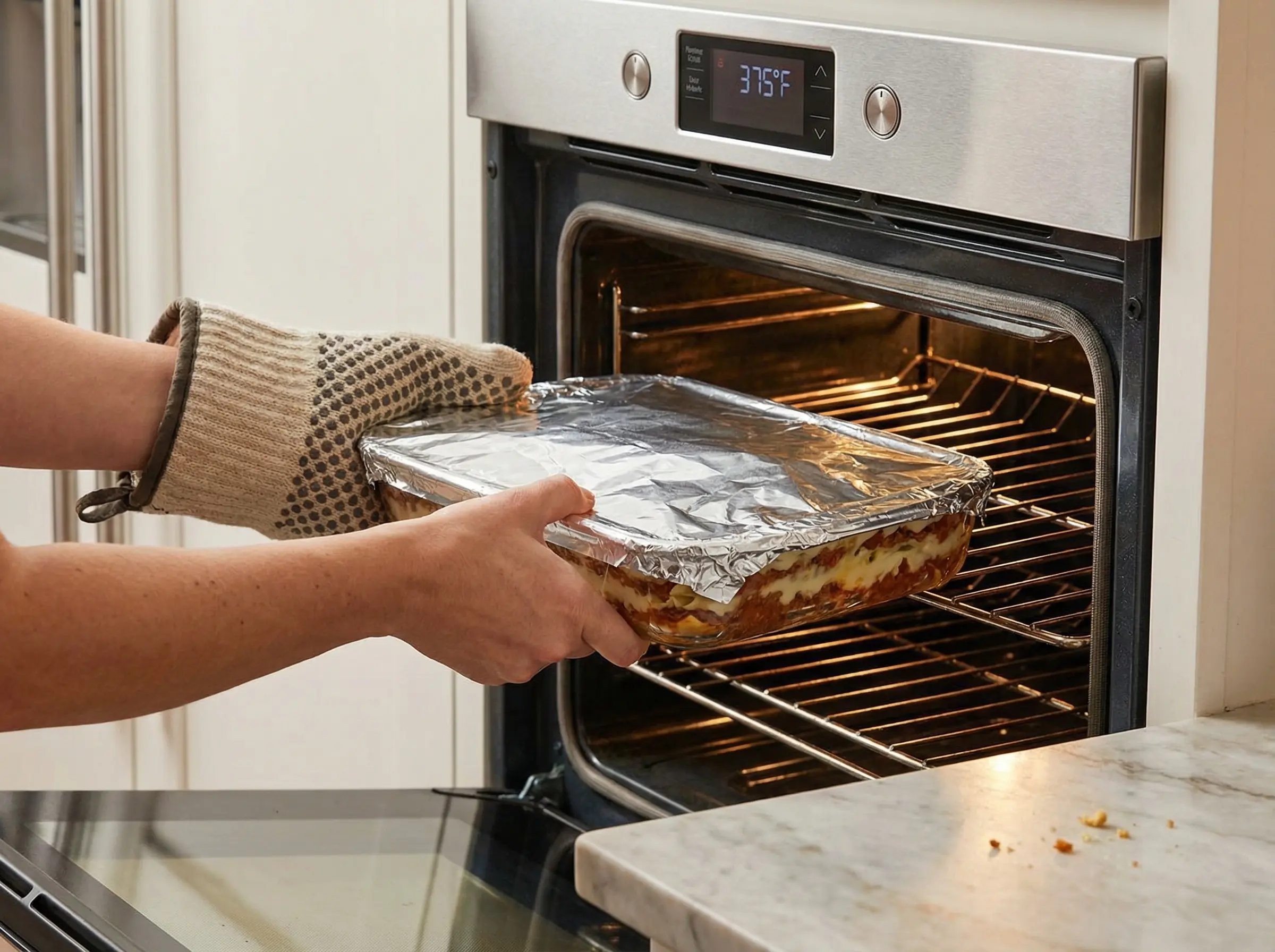
5Cover the baking dish tightly with aluminum foil, making sure the foil does not touch the top layer of sauce (you can spray the underside with cooking spray or tent it slightly to prevent sticking). Place the covered lasagna in the preheated oven and bake for 45 minutes. The foil traps steam and moisture, helping the lasagna cook evenly and preventing the top from drying out. After 45 minutes, carefully remove the foil and return the lasagna to the oven uncovered. Bake for an additional 15 minutes to allow the top to develop a slightly concentrated, darker color and for any excess moisture to evaporate. The edges should be bubbling vigorously, and the sauce should be thick and glossy.
6Remove the lasagna from the oven and let it rest for at least 10-15 minutes before slicing. This resting period is crucial - it allows the layers to set and makes cutting and serving much easier. If you cut into it immediately, the layers will slide apart and the lasagna will be soupy. While it rests, the residual heat continues to cook the dish gently, and the sauces thicken. After resting, use a sharp knife to cut the lasagna into squares. Wipe the knife clean between cuts for the neatest slices. Garnish each serving with fresh torn basil leaves and an extra grind of black pepper if desired. Serve hot and enjoy this hearty, comforting plant-based meal that proves vegan food can be just as satisfying and delicious as traditional dishes.


 Download